Serenity Tuned to the Peaks

Step inside a world where mountains are not only seen but heard with intention. Here we explore acoustic design in mountain homes, harnessing alpine soundscapes for serene living through thoughtful materials, gentle mechanical systems, and room shaping that honors wind, water, and wildlife. Expect science and story, practical details and poetry, all guiding you to compose interiors that quiet the body, open the mind, and let the valley’s music become part of daily ritual without overpowering conversation, rest, or the warmth of shared meals.

Listening to the Mountains

Before placing a wall or choosing a window, begin by listening. High altitudes thin the air, changing how sound carries; snow swallows sharpness; timber softens edges; rock reflects with clarity. Morning thermals rustle needles differently than evening downslope winds. A creek murmurs more in spring melt, less in late summer. Acoustic design here honors this living score, keeping what nourishes—distant water, whispering spruce—while gently filtering intrusion, like road bursts or generator hum, so daily life floats on calm, characterful presence rather than restless noise.

Site and Orientation: Shaping What You Hear

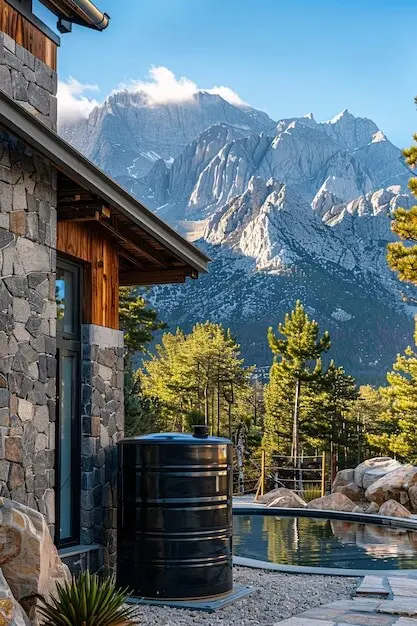
Sound planning starts outside. Walk the land at different hours, note wind corridors, avalanche control days, snowplow routes, festival nights, and wildlife patterns. Use topography as a shield, nestling bedrooms behind knolls, orienting sensitive rooms away from harsh gusts or road exposure. Position decks toward cherished natural voices—waterfalls, aspens, pasture bells—while placing service entries and parking where unavoidable noise can be quietly captured. With careful orientation, the house becomes an instrument case, opening toward the notes you love and cushioning what distracts.

Materials and Assemblies for Calm Interiors

Mass, Isolation, and the Double‑Leaf Wall

A double-leaf wall—two separate stud frames with an air gap—behaves like a mass-spring-mass system, dramatically reducing transmission between lively spaces and sleeping quarters. Add dense batts, staggered outlets, and caulked perimeters. Where structure demands a single frame, resilient channels decouple drywall from studs, cutting vibration handoff. Pair with heavy doors and continuous thresholds. None of it steals character from timber or stone; instead, it lets conversations breathe and music bloom while the laughter of the great room doesn’t echo into midnight dreams.

Warm Fibers: Wool, Cork, and Thick Rugs

Porous, springy materials make rooms feel kind. Wool wall panels, cork underlay beneath hardwood, and generously sized rugs lower reverberation without making spaces dull. In high rooms, add felt baffles or artfully patterned fabric clouds that double as sculpture. Choose natural finishes that age gracefully and inhale moisture spikes after snow days. These fibers avoid the plastic sheen of synthetic foams while delivering superior mid- and high-frequency control, meaning voices stay intelligible at low volume and the fireplace crackle glows without scratchy, fatiguing edges.

Silence at the Threshold: Seals and Sashes

Noise loves gaps. A beautiful door without proper compression seals, sweeps, and latches leaks more than thin walls. Upgrade to multipoint locks, continuous gaskets, and drop seals at thresholds. For windows, prefer laminated glass and thermally broken frames with precise glazing beads. Backer rod and acoustic sealant around frames matter as much as the units themselves. Prioritize airtightness not only for energy but for quiet. The payoff is immediate: softer steps, murmured conversations, and a calm that begins the moment you turn the handle.

Rooms, Volumes, and Surfaces that Soothe

Mountain architecture loves lofty volumes; serenity depends on shaping them wisely. Avoid long parallel planes that ping. Bend or break big surfaces with beams, books, or built-in shelving. Place quiet nooks behind half-walls or within dormers, and give reading corners plush, absorbing backs. In great rooms, balance glass expanses with textured ceiling panels and generous drapery that draws at night. Keep circulation paths away from headboards, and insulate under loft floors. Thoughtful geometry turns spectacle into sanctuary, allowing voices, music, and silence to coexist beautifully.

Ceilings that Scatter, Not Shout

Vaults and cathedral ceilings can sparkle or screech. Introduce gentle coffers, irregular beam spacing, or patterned wood slats to scatter reflections. Consider alternating soft and hard ceiling zones so music and conversation bloom without slapback. Over dining tables, lightweight acoustic pendants absorb chatter and spotlight bread’s crust crackle. Over living areas, diffuse rather than deaden, preserving life in the room. The strategy is orchestral: some instruments up front, others in the wings, all balanced so evenings stretch with ease instead of volume wars.

Quiet Nooks for Reading and Reflection

A deep window seat with a high, upholstered back becomes a cocoon where pages rustle and wind hums softly through needles outside. Add side walls or shelves to cup the space, thick cushions beneath, and heavy-lined drapery for nighttime hush. Keep nearby switches dimmable, heating radiant, and vents distant. These intimate alcoves invite journaling after a long hike, whispering with children, or simply listening to snow gather. They also give big rooms punctuation marks—moments of stillness that make the broader composition feel humane and grounded.

HVAC and HRV the Alpine Way

Select variable-speed, low-static fans and oversize ducts to reduce rush noise. Keep supply registers from corners where rumbles amplify, and use lined boots near bedrooms. HRVs bring in fresh air without drafts when outdoor air bites, but only if isolated from structure with flexible connectors and resilient pads. Balance flows meticulously, then commission. The result is crisp, oxygen-rich rooms where a kettle’s first sigh is audible and conversation floats, all while energy stays disciplined against the mountain’s playful, demanding, and endlessly changing temperament.

Plumbing that Doesn’t Roar after Ski Day

Nothing ruins a soak like a whooshing stack. Use cast-iron verticals, isolation clamps with rubber inserts, and route lines through service chases, not bedroom walls. Place laundry on resilient platforms, and schedule pressure-balancing valves to prevent shower screams when sinks open. Insulate hot and cold runs for both efficiency and hush. Where long spans cross joists, add grommets and avoid rigid contact. Now, post-ski baths sigh instead of roar, and midnight tea doesn’t wake the loft, preserving the soft, blanketed hush everyone craves.

Appliances and Fireplaces with Hushed Presence

Look beyond decibel ratings to spectrum and installation. A steady low purr often soothes more than a choppy quieter number. Isolate refrigerators from cabinetry, add anti-vibration pads beneath washers, and choose range hoods with remote, roof-mounted fans. For fireplaces, sealed units or well-tuned open hearths with textured surrounds reduce crackly glare. Thoughtful make-up air prevents gusty whooshes. When appliances and flames behave like gentle companions, meals taste richer, pages turn slower, and winter storytelling becomes the evening’s soundtrack rather than a fight against mechanical clatter.

Quiet Systems: Heat, Air, and Water Without Whir

Mechanical choices echo through daily life. In mountain climates, low-velocity air, radiant warmth, and isolated equipment prevent humming backdrops. Place HRVs in insulated closets on vibration pads, line ducts near bedrooms, and route plumbing away from headboards. Choose induction over roaring blowers; specify quiet dishwashers and laundry with anti-vibration mounts. Fireplaces should murmur, not roar: balanced flues, sealed doors, and thoughtful combustion air. When systems whisper, the landscape leads, winter nights feel like blankets, and whispers feel luxurious instead of strained.

Bringing Nature In: Framing Alpine Soundscapes

Porches, Mudrooms, and Acoustic Transitions

Layer entries so sound pressure drops before the living room. A screened porch with upholstered benches absorbs chatter; a mudroom with cork walls takes the edge off clinks and zippers; a quiet vestibule seals with double doors. These spaces also stage weather, giving wind and snow a gentle pause. Add boot-drying fans suspended on isolation mounts and rubber-backed mats. Every return home becomes a composed movement—from gust and crunch to breath and warmth—so the house greets you in a hush that feels both earned and generous.

Curating the Soundtrack: Water, Wind, and Wildlife

Layer entries so sound pressure drops before the living room. A screened porch with upholstered benches absorbs chatter; a mudroom with cork walls takes the edge off clinks and zippers; a quiet vestibule seals with double doors. These spaces also stage weather, giving wind and snow a gentle pause. Add boot-drying fans suspended on isolation mounts and rubber-backed mats. Every return home becomes a composed movement—from gust and crunch to breath and warmth—so the house greets you in a hush that feels both earned and generous.

Live with Care: Rituals for Daily Quiet

Layer entries so sound pressure drops before the living room. A screened porch with upholstered benches absorbs chatter; a mudroom with cork walls takes the edge off clinks and zippers; a quiet vestibule seals with double doors. These spaces also stage weather, giving wind and snow a gentle pause. Add boot-drying fans suspended on isolation mounts and rubber-backed mats. Every return home becomes a composed movement—from gust and crunch to breath and warmth—so the house greets you in a hush that feels both earned and generous.

Dexosentopiravelto
Privacy Overview

This website uses cookies so that we can provide you with the best user experience possible. Cookie information is stored in your browser and performs functions such as recognising you when you return to our website and helping our team to understand which sections of the website you find most interesting and useful.