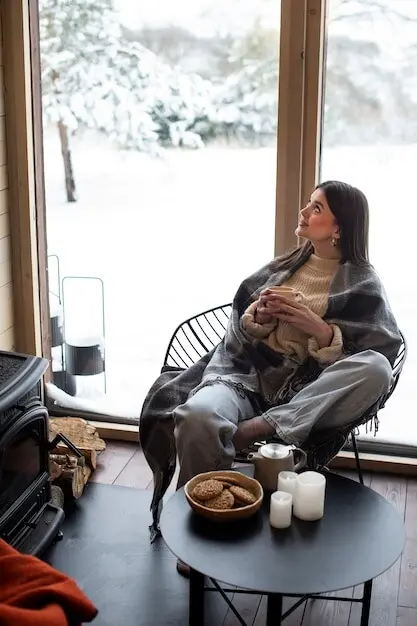
Quiet Peaks, Honest Hands
Today we explore Low-Impact Alpine Interiors: Natural Materials and Handwork for Durable Comfort. From reclaimed larch and limewashed stone to handwoven wool and pegged joinery, discover how quiet choices reduce embodied carbon, protect indoor air, and invite decades of steady warmth. Expect practical guidance, true stories from mountain cabins, and small rituals that make living gentle on the slope, generously comfortable, and beautifully resilient through snow, thaw, and bright alpine sun.
Materials That Breathe With The Mountains

Reclaimed Wood, Honest Grain
Boards lifted from barns and old chalets carry sunburned patina, dense grain, and a dignity only weather can teach. When re-milled, they deliver structure and soul with almost no new logging. Verify moisture content, species, and prior finishes; scrub gently, use soap or natural oil, and let the grain speak. Pegged connections and reversible assembly allow future repairs, ensuring timber’s journey continues without wasteful tear-outs or landfill detours.
Stone And Lime For Quiet Mass
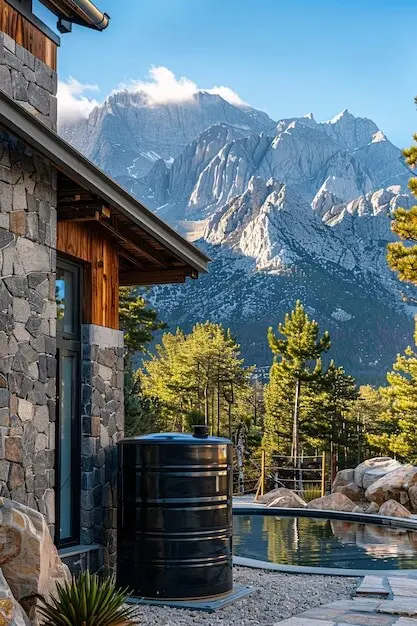
Local stone floors and lime-plastered walls hold daytime warmth, then release it slowly after sunset, softening heater loads and anchoring rooms in steady calm. Lime mortars remain breathable, resisting trapped moisture and winter freeze-thaw spalling. Paired with south-facing glazing, shutters, and rugs for barefoot kindness, this humble mass balances alpine swings gracefully. Choose quarry-offcut formats where possible, honoring resources while achieving textures that feel both monolithic and intimately hand-touched.
Wool, Hemp, And Insulation That Cares
Sheep wool batts, hemp fibers, and dense-pack cellulose insulate without trapping stale air or off-gassing questionable chemistry. Their hygroscopic fibers buffer humidity spikes, dampen echoing rooms, and deliver fire safety with mineral salts instead of harsh additives. End-of-life pathways remain circular: composting, reuse, or low-energy recycling. Specify proper vapor profiles, airtight layers, and careful detailing at eaves and joists so bio-based insulation performs beautifully through blizzards, spring melts, and rambunctious gatherings.
Craft As Comfort
Hands shape comfort as surely as any specification sheet. Mortise-and-tenon frames whisper instead of creak, handwoven rugs warm dawn-cold floors, and forged latches close with satisfying confidence. Choosing skilled makers strengthens regional economies and keeps repairable details in reach for decades. You feel the difference instantly: edges softened by planes, fibers dyed with earth pigments, iron cooled under snow-fed water. This intimacy reduces waste, resists fads, and invites responsible stewardship from everyone who visits.
Timber frames pinned with hardwood pegs move gently with seasons, avoiding the squeaks that sheet goods and metal fasteners often invite. Tight shoulders, draw-bored tenons, and patient chisels reward you with repairable structure and emotional warmth. Apprenticeships matter here; ask your carpenter how they learned, then watch their layout lines guide clean cuts. What seems slow becomes wildly efficient across decades, because maintenance is simple, reversible, and friendly to future hands.
Blankets woven on village looms tame stone-chilled mornings, while naturally dyed runners soften acoustics in plank-floored halls. Long-staple wool resists pilling; flax lends crisp resilience; alpaca grants tranquil drape without heaviness. Favor patterns that welcome mending, and catalog local dyers’ palettes for consistent repair colors. When a thread frays, stitch it over tea by the window; the piece grows better, memory-rich, and deeply yours with every thoughtful fix.
A hand-forged handle warms beneath your palm, guiding a door that seals cleanly against drafts. Hooks, brackets, and hinges shaped by a local smith resist fatigue better than catalog parts and align beautifully with wood movement. Beeswax or linseed finishes reduce corrosion without harsh coatings, granting repairable, living sheen. Commission small batches to avoid overproduction, and document sizing for future orders so replacements fit perfectly after many snow seasons and lively dinners.

Designing For Low Impact, High Resilience
A low winter sun pours through high-performance south windows, landing on stone hearths and lime-plaster walls that hold its gift until bedtime. Deep eaves, shutters, and wool-lined curtains then temper summer glare and nocturnal winds. Deciduous plantings shield shoulder seasons while letting light through cold months. Simple, patient design beats oversized equipment, trimming bills and sound. You gain rooms that breathe with dawn and dusk, welcoming candles, quiet reading, and unhurried cooking.
Air should be controlled, not suffocated. Wrap structures with continuous air barriers, tape joints meticulously, then keep assemblies vapor-open toward the exterior so moisture can exit kindly. Hygrothermal modeling helps balance insulation, sheathing, and plasters across alpine swings. With drafts banished, small heaters work less, fabrics stay drier, and windows sparkle clearer. Schedule blower-door tests before finishes, when fixes are easy and affordable, ensuring your patience buys decades of silent, durable service.
Collect meltwater in cisterns, guide overflows with rock-lined swales, and keep foundations high, dry, and smiling. Snow guards, strong eaves, and metal valleys handle avalanches from the roof, protecting pathways and planters. Minimize grading to preserve alpine flowers; choose permeable paths so storms recharge soil instead of scouring it. A green roof with hardy sedum calms summer heat and slows runoff. Nature answers generously when you tread lightly and plan ahead.
Stories From The Ridge
Craft and material choices breathe best through lived experience. One family renewed a 1930s larch cabin, another neighbors’ co-op raised a shared lodge, and a tiny studio proved small spaces can cradle big dreams. These vignettes reveal budget pivots, joyful compromises, and durable comforts discovered only by trying, listening, and adapting. Borrow what fits, skip what doesn’t, then return to share your own lesson from wind-brushed eaves or moonlit, wool-warmed bunks.

Grandfather’s Cabin, Renewed
The floor sagged, the stove smoked, and the windows rattled like sleigh bells in April. Instead of gutting everything, the family lifted joists, added hemp-lime insulation, and restored plank floors with soap finish. Drafts vanished after careful air-sealing beneath reclaimed skirting boards. A handwoven rug anchored breakfasts, and a small masonry heater replaced the wheezing iron box. Utility bills halved, laughter doubled, and the cabin now smells like larch, soap, and slow coffee.
A Co-op Lodge Stitched By Neighbors
Twelve households pooled salvaged beams, wool batts from nearby flocks, and weekends full of soup and socket wrenches. A retired framer taught pegged joinery; teenagers carded wool; a ceramicist glazed tiles for a compact stove bench. The building inspector smiled at careful details, not expensive gadgets. Now the lodge hosts shared meals, ski-tuning nights, and skill swaps. Ownership feels lighter because maintenance is communal, knowledge circulates, and every hand remembers a beam it lifted.
A Small Studio That Thinks Big
Twenty-eight square meters felt risky until the couple mapped priorities: one deep window seat, radiant floor, and storage woven around structure. Limewash brightened mornings; hemp insulation softened road noise; a fold-down workbench became dinner’s landing pad. They learned to season cast-iron on snow days and dry wool socks over a tiled niche. Nothing feels missing because every piece earns its place, inviting rituals that keep energy gentle and delight surprisingly abundant.

Care, Repair, And Community
Durability is not a product; it is a relationship. Seasonal checklists, gentle cleaning, and neighborly skill-sharing outcompete warranties every time. Inspect roofs before storms, oil counters after holidays, and listen for tiny changes in hinges or draft lines. Host repair nights with soup on the stove and tunes low. These rituals protect resources, deepen belonging, and keep spaces welcoming through many winters, many guests, and many stories that gather softly under lamplight.


All Rights Reserved.